
Last reviewed: October 2026. This build describes my low-power FM setup from 2023. The photos and audio sample are from that project; no new range or sound-quality measurements were made for this update.
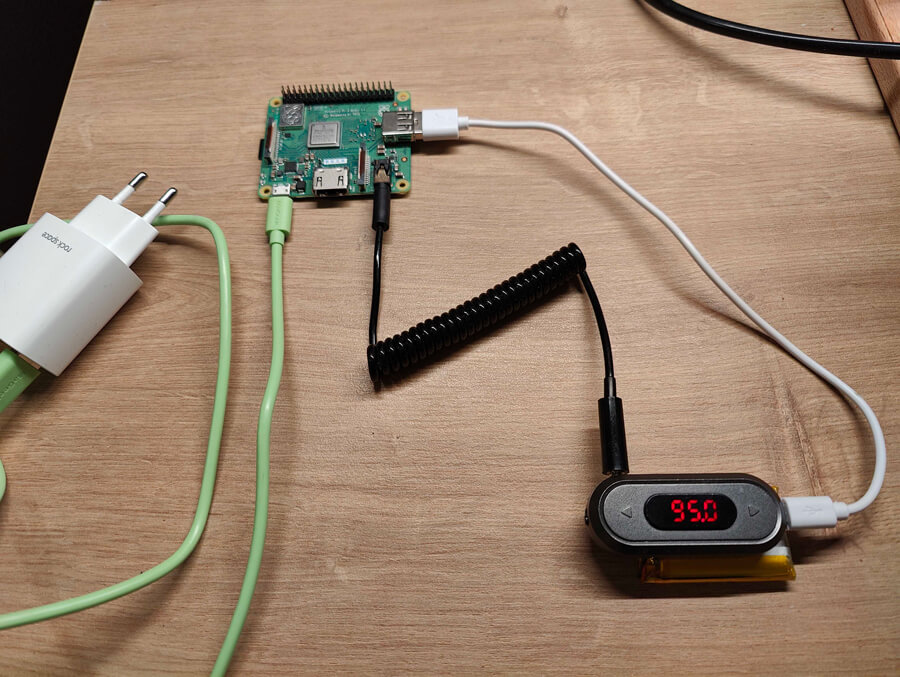
The signal path is simple: an audio player feeds a small FM transmitter through a 3.5 mm jack, and an FM receiver tunes to the same frequency. The original build used a Raspberry Pi 3 Model A+ running Volumio as the player. You can check the basic audio path with a computer or other player before adding the Pi.
Parts and signal path
- A low-power FM transmitter with a 3.5 mm audio input and its appropriate power source.
- An FM receiver and an audio source with a compatible 3.5 mm output.
- Optional: a 3.5 mm male-to-female extension cable to make placement easier.
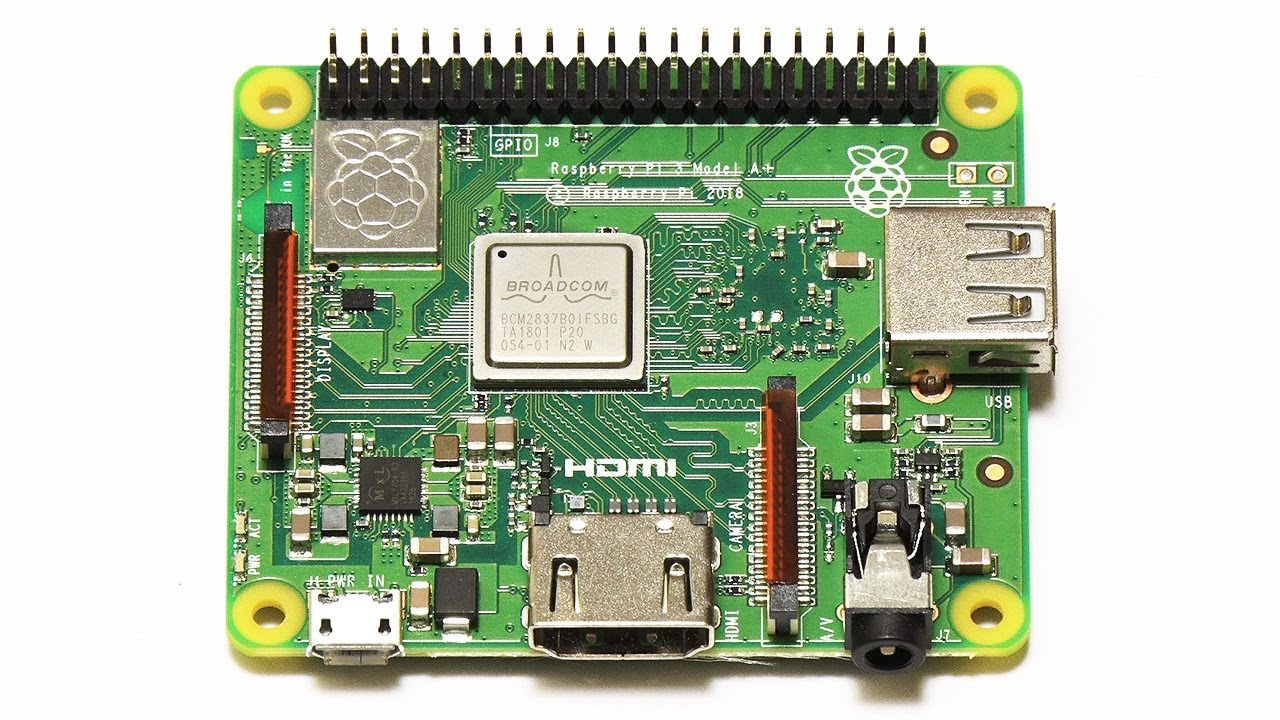
- For the standalone player used in the original build: a Raspberry Pi 3 Model A+, microSD card, suitable Pi power supply and Volumio image.
Check the actual connector and power requirements of your transmitter and Pi model. A different Raspberry Pi may need a USB audio device or DAC rather than a built-in analog output. The 3 Model A+ in the original photos has a 3.5 mm AV jack. Its official product brief specifies a 5 V/2.5 A supply via micro USB; check your own model before selecting power and audio hardware.
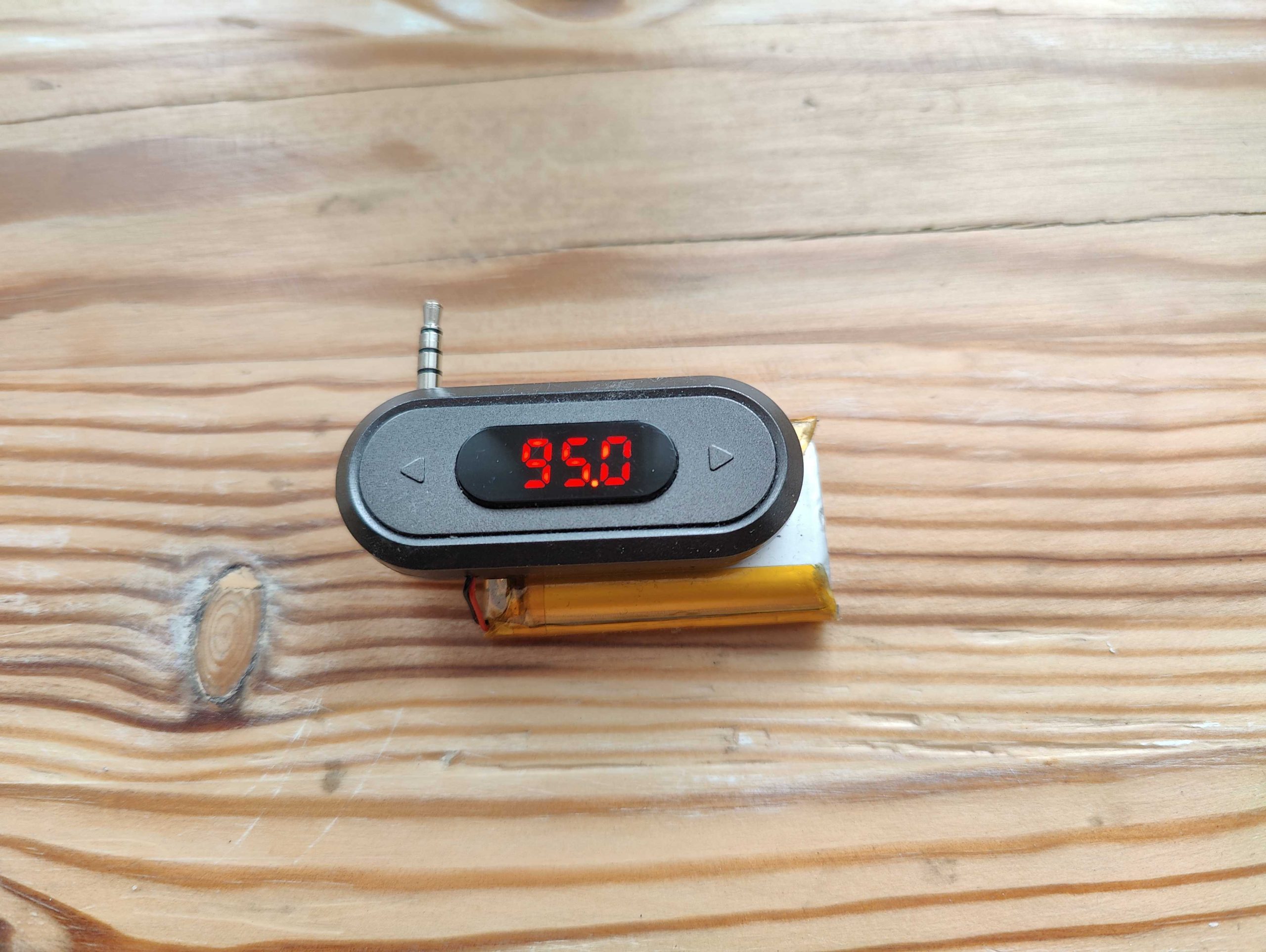
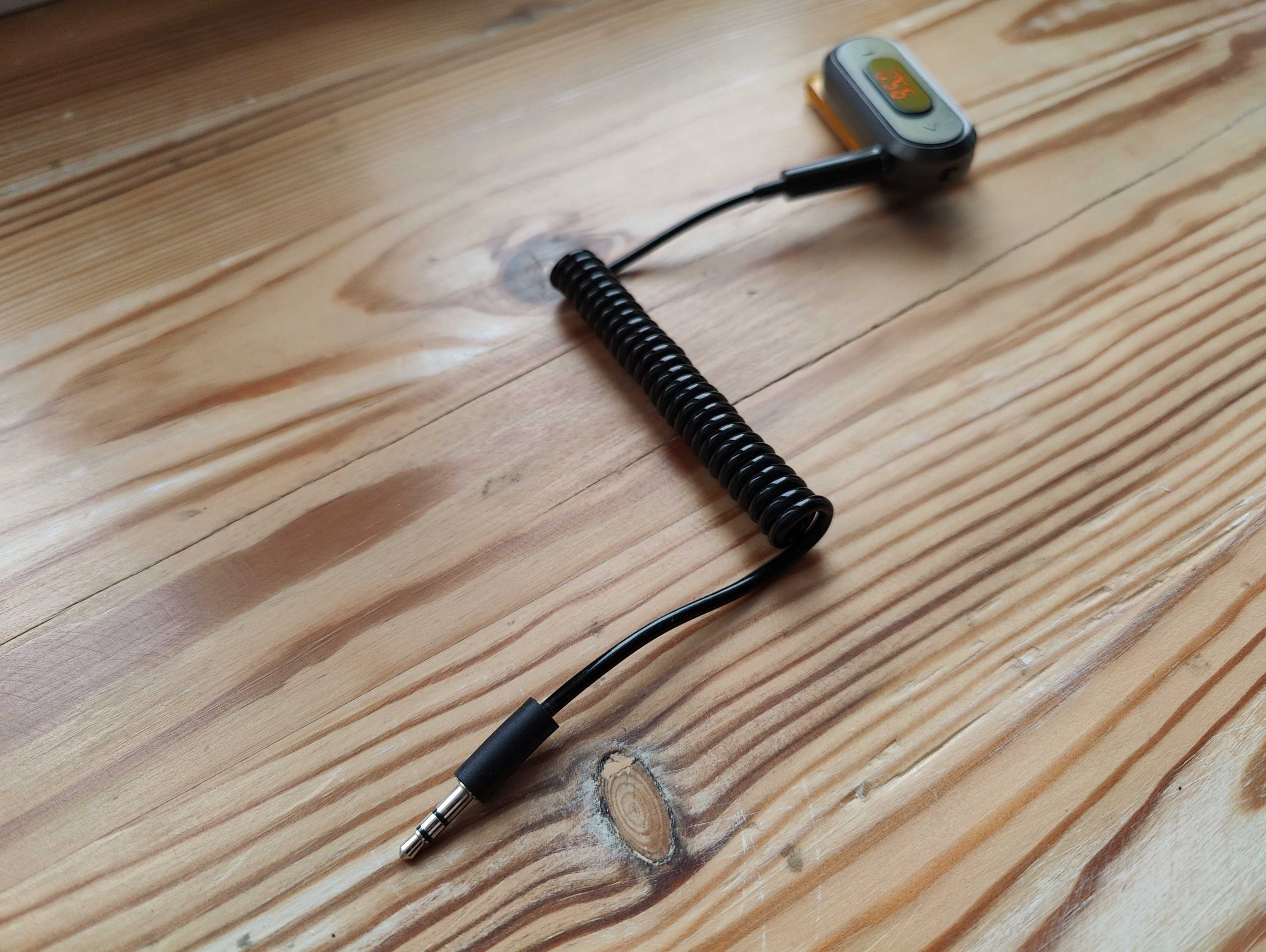
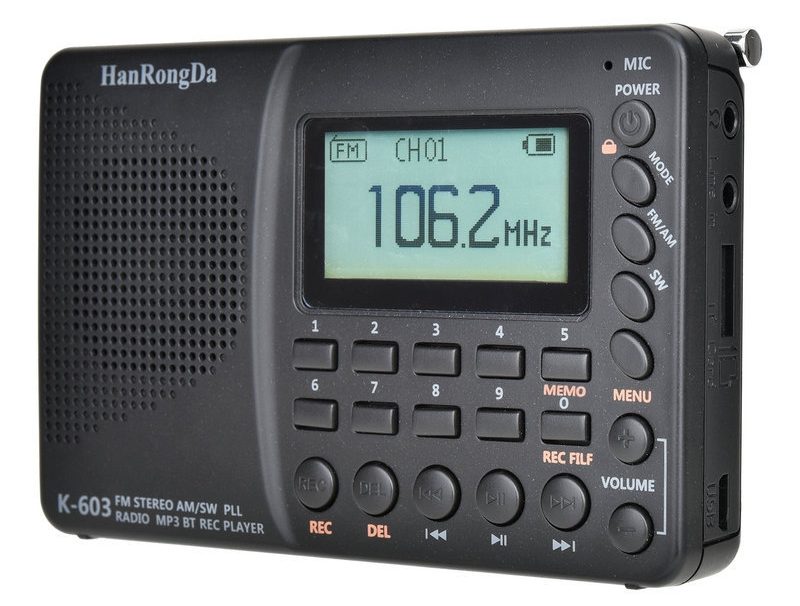
Check local radio rules first
FM transmission rules differ by country. Use only equipment and operating settings permitted where you are. An apparently unused frequency is not proof that transmission is allowed or interference-free. Do not increase transmitter power or modify its antenna without checking the applicable rules. If the permitted setup is too limited for your room, a wired connection or network speaker avoids that problem.
Get the analog audio path working
- Charge or power the transmitter according to its manual. Connect its audio plug directly to your player’s 3.5 mm output, or use the extension cable.
- With the transmitter off, tune the receiver to a locally clear FM frequency. Check for nearby broadcasts, then set the transmitter to the same frequency only where such operation is permitted.
- Start audio at a moderate player volume. Turn on the transmitter and tune the receiver carefully. Raise the player volume gradually if the result is quiet; reduce it if the sound distorts.
- Move the receiver a short distance away from the transmitter and power adapter to check that you are receiving the intended signal rather than local electrical noise.
In my original home setup, this audio path worked. Its range was not measured, and a different transmitter, building or local radio environment can behave differently.
Add the Raspberry Pi player
For the photographed standalone setup, flash the current Raspberry Pi image from Volumio’s official setup guide to a microSD card using Raspberry Pi Imager’s custom-image option. Insert the card, connect the Pi to its supported power supply, and complete the Volumio setup from its app or local web interface. In Volumio, select the Pi’s analog output if that is the jack connected to the transmitter, then play a known audio track before trying radio streams.
Volumio’s available services and plugins can change. Confirm that a particular streaming source is supported in your installed edition before planning the build around it. I used the Pi to play internet radio through the FM transmitter in that setup; this is a historical account, not a new compatibility test.
If you hear silence, static or hum
- No audio from the player: connect headphones to the player first. If they are silent too, fix its volume or audio-output selection before troubleshooting FM.
- Static remains: check both frequency displays, transmitter power and the receiver. Tune to a known broadcast to confirm the receiver works.
- Carrier but no program audio: try the transmitter directly in the player, bypassing the extension cable. A quiet receiver alone does not prove the cable or source works.
- Distorted sound: lower the player’s output level and check that the transmitter input is the expected type.
- Hum while charging: there was noise during charging in my original build. Compare battery power with a suitable, quality power adapter; avoid modifying the transmitter’s battery or power circuit without the equipment instructions.